Go West, They Said. The Register Says Otherwise.
The government made a fanfare of Emirates and Qatar receiving increased traffic rights to Western Sydney. The bilateral arrangements tell a different story. We examine what would actually compel UAE or Qatar carriers to grow into Western Sydney — or deploy those rights somewhere else entirely.

Every headline this week declared the same thing: Australia's new aviation deals with Qatar and the UAE hand Gulf carriers additional flights, but only to Western Sydney. A neat narrative. Also, on close reading of the actual bilateral register, not quite right.
The Department of Infrastructure published its updated Register of Available Capacity on 20 May 2026. The Qatar entry, last amended 18 May, reads:
"7 frequencies per week to be operated to/from Brisbane, Melbourne, Perth, Sydney or Western Sydney."
Western Sydney (WSI) is listed as a fifth option alongside the existing major gateways — not a separate, ringfenced bucket. Qatar can deploy those frequencies at Kingsford Smith exactly as before, or split them across both airports. The same logic applies to the UAE, where the core entitlement is 175 weekly services to Brisbane, Melbourne, Perth, Sydney, and Western Sydney combined.
The nuance matters. Here is what it actually means for each carrier.
UAE Carriers: Well-Resourced, Not Constrained
Emirates and Etihad enter this regime with substantial headroom. The government's own Growth Potential for Foreign Airlines report (May 2026) shows UAE carriers using 84 of 175 available weekly services to the major gateways — a utilisation rate of around 48%. A further 21 via/beyond services are available and currently unused.
For the UAE carriers, WSI is a long-term option, not a near-term strategic pivot. The traffic rights were never the binding constraint.
Qatar: Seven Services, One Decision
Qatar's position is structurally different — and the capacity data makes this concrete.
The growth potential report shows Qatar operating 28 services per week at the major gateways against a limit of 35, leaving 7 services available. Its Enhanced Regional Package (via/beyond services) is fully utilised at 7 services. Separate from this, Virgin Australia operates its own codeshare capacity on Qatar metal.
Those 7 remaining gateway slots — now distributable across five airports including WSI — represent Qatar's entire margin for growth at Australia's major ports. The question of where to deploy them is genuinely consequential.
The curfew dimension sharpens this further — and the current timetable makes the constraint visible. Qatar's Doha–Melbourne schedule operates three daily departures: early morning (01:50), morning (08:15), and evening (20:20). Doha–Sydney runs only two: morning (08:40) and evening (20:40).
The missing flight is not an oversight. Qatar's largest hub bank — its midnight to early morning wave, which aggregates inbound flows from Europe, the Middle East and North Africa — produces a Doha departure window of roughly 01:00–02:00. A flight leaving Doha at that time would arrive into Sydney around 23:00–00:00, directly into the curfew. Melbourne, curfew-free, absorbs it. Sydney cannot.
WSI closes that gap on the inbound side. It also opens one on the northbound side back into DOH.
Qatar's Doha hub operates multiple arrival banks, and Australia currently feeds only two of them. The Sydney and Melbourne northbound schedules both deliver passengers into Doha in the evening (around 22:00–23:30) and the early morning (around 04:30–06:00) — aligning with onward connections to Europe and the Middle East. What Australia does not feed is Doha's midday-to-early-afternoon bank, the wave that aggregates traffic from across Asia: Bangkok arrives at 11:40–12:30, Kuala Lumpur at 12:55, Singapore at 13:15, Jakarta at 13:15, Manila at 14:25. That afternoon bank is entirely absent from Qatar's Australian feed.
An early morning departure from WSI — a curfew-free airport — changes this. A flight leaving WSI around 05:45 would arrive Doha around 13:00 in the Northern Winter timetable, slotting directly into the Asian midday arrival bank and providing Australian passengers with onward connections to Europe, the Middle East and North Africa that the current schedule cannot offer. Emirates already demonstrates the commercial case: it operates an early morning departure from both Sydney and Melbourne, precisely to capture that connection window.
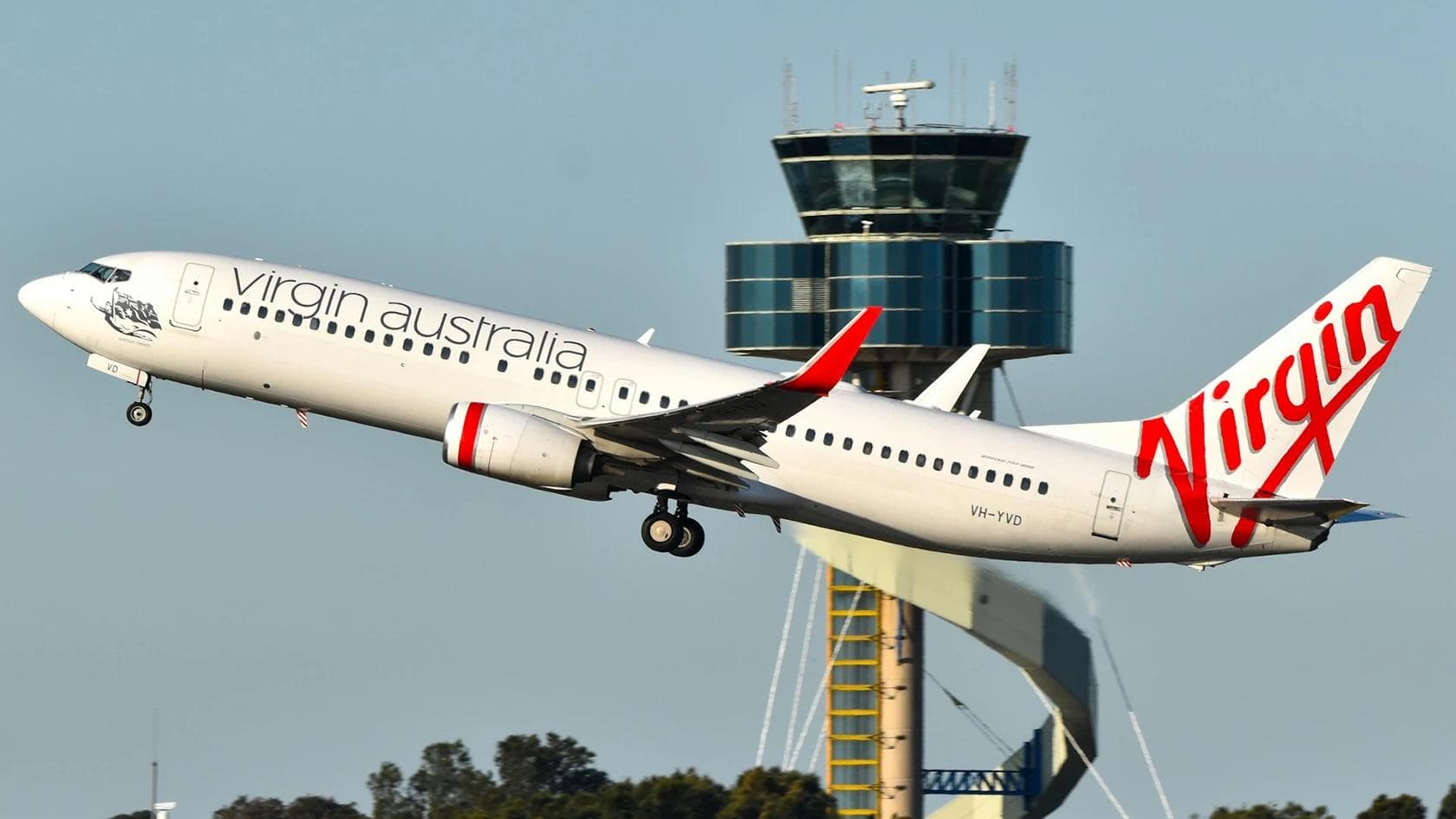
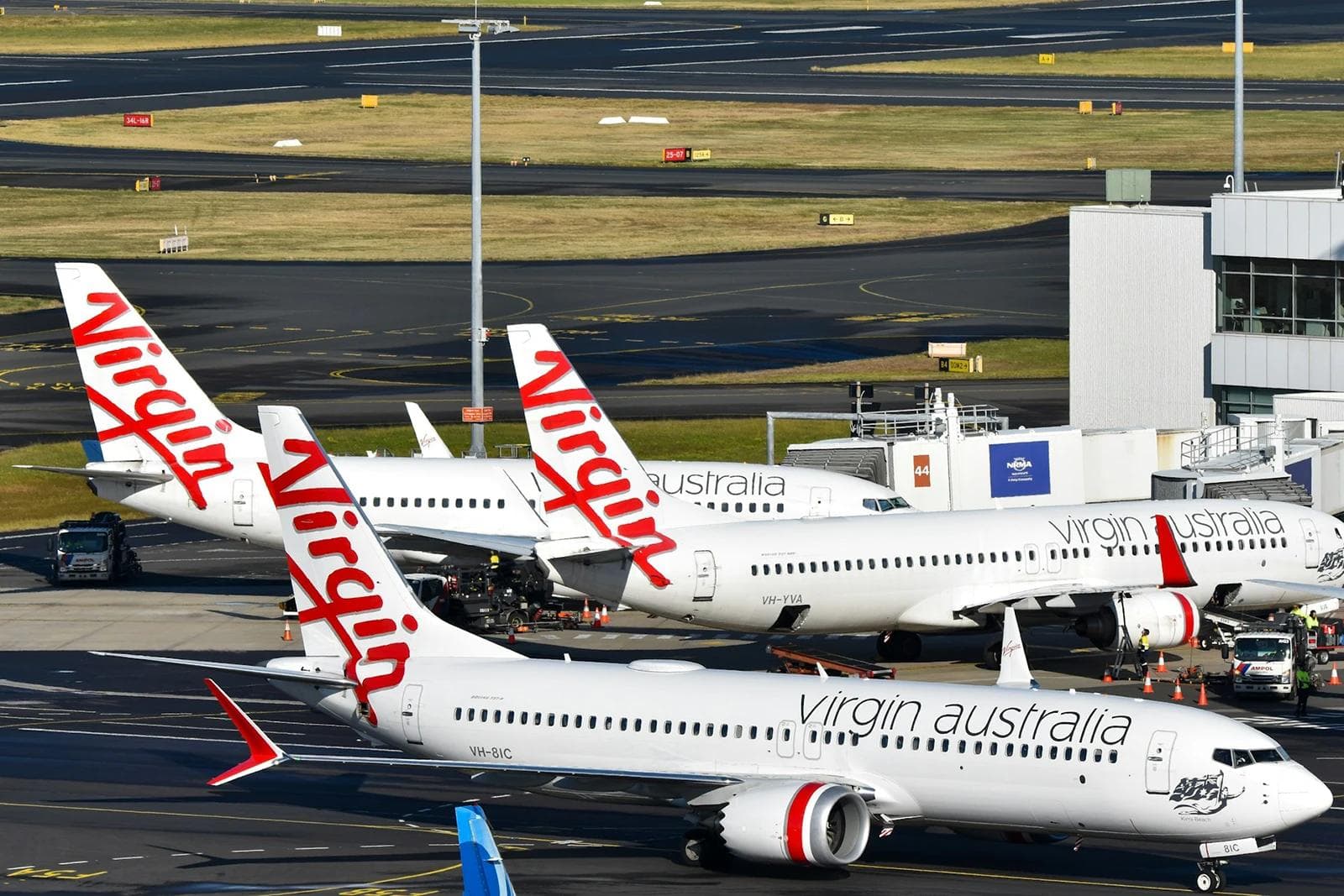
The northbound argument also has an operational corollary for the Virgin Australia-operated Melbourne service (using Qatar wet-leased aircraft). That flight currently departs Melbourne at 17:10, arriving Doha at 23:25. This aircraft currently sits on the ground in Melbourne for approximately 18 hours before operating this northbound service — a significant utilisation inefficiency on any measure. Shifting to an early morning Melbourne departure in parallel with a WSI service would further fill the afternoon Doha bank and meaningfully improve aircraft utilisation.
The natural operator for a WSI morning service is Virgin Australia — and the commercial logic runs in both directions. A curfew-free early departure from WSI, paired with a retimed Melbourne service, would have Virgin Australia operating the new time channel while Qatar can retain its established positions at Kingsford Smith. That is a sensible division: WSI in its early years will skew heavily toward outbound Australians rather than inbound internationals, who are unlikely to choose an unfamiliar airport with limited surface connections (no train connection until 2028). That traffic profile fits Virgin Australia's hybrid carrier DNA far better than it fits Qatar's premium inbound brand.
Qatar's existing time channels and slot positions at Kingsford Smith serve a different customer — the business and premium leisure traveller on the Australia–Europe corridor, where brand recognition and product are the decision drivers. Protecting that positioning while Virgin Australia develops the new time channel is not a compromise. It is a rational division of commercial labour between two partners with genuinely different strengths.
For Virgin Australia, improved frequency and scheduling flexibility in the Sydney market is a direct commercial benefit, particularly relevant given the capacity constraints of recent years.
The Premium Traffic Question
Rights are one side of the ledger. Product is the other.
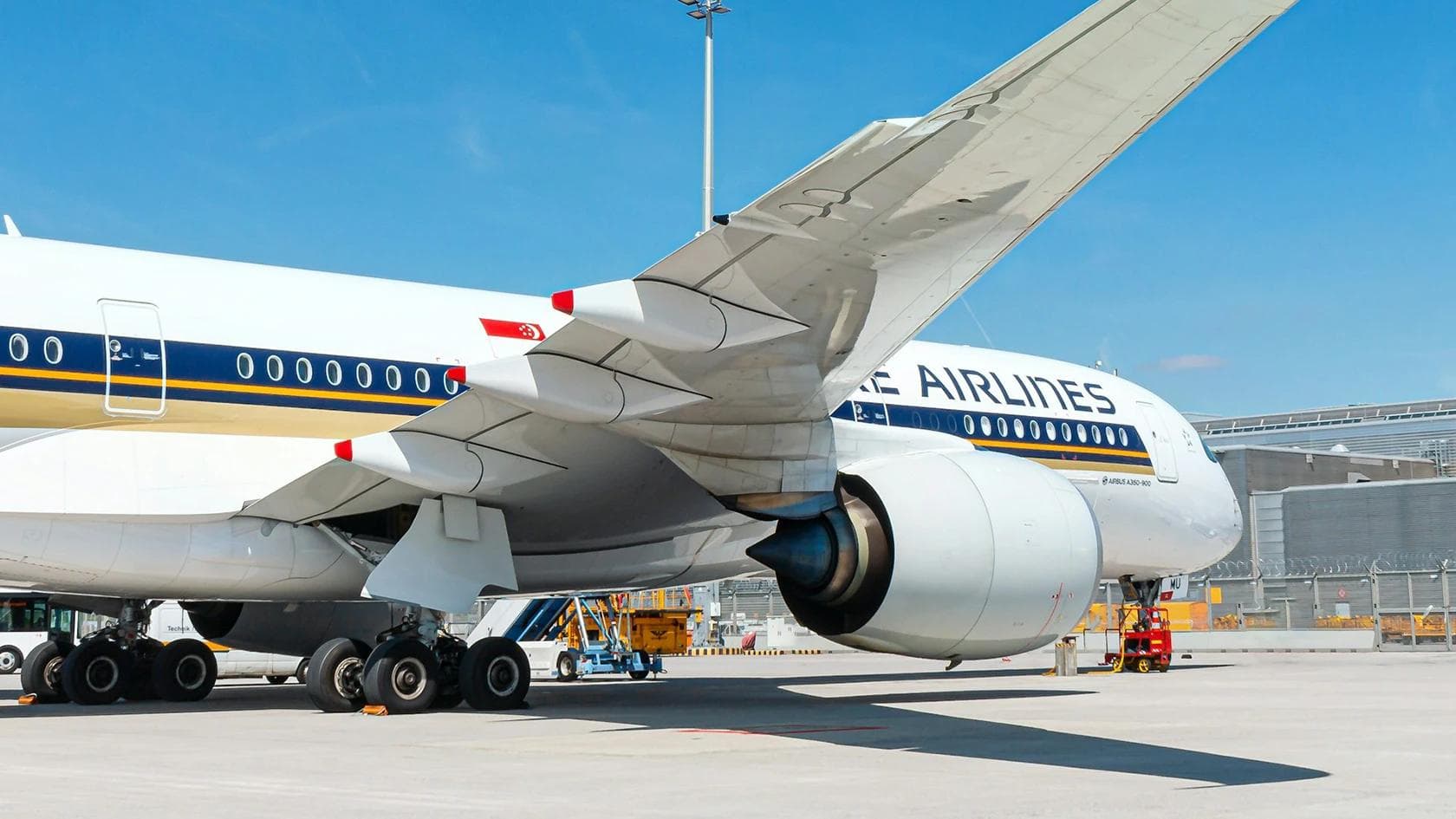
Singapore Airlines illustrates the tension. At Kingsford Smith it operates A380, 777-300ER and A350 services with its full long-haul suite, including First Class. Its WSI commitment uses the regional A350 configuration — the product it deploys on regional and thinner such as Bangkok, Manila, Fukuoka, and Brisbane. Capable aircraft. A categorically different value proposition.
Premium and corporate travellers making long-haul decisions are sensitive to this distinction. If WSI becomes associated with secondary equipment across carriers, it will struggle to attract the yield-intensive traffic that underwrites long-haul route economics. Qatar will face a product positioning question that the rights allocation alone does not answer: what goes on WSI, and how does it differentiate from Kingsford Smith?
That question remains open. The rights are a prerequisite, not a commitment.
The Bottom Line
The traffic rights expansion is best understood as optionality, not a mandate. Western Sydney is now in the bilateral register alongside the major gateways, not instead of them — a distinction the headlines missed.
For Qatar, with only 7 major gateway services remaining and a fully exhausted regional package, the commercial logic for acting on this flexibility is stronger than for any other carrier in this announcement. Whether WSI can develop the premium credentials to sustain that investment is the more open question — and the one worth watching in the years ahead.
This analysis draws on the Department of Infrastructure's Register of Available Capacity (20 May 2026) and Growth Potential for Foreign Airlines (May 2026), both publicly available at infrastructure.gov.au.
Sources
- Department of Infrastructure. Register of Available Capacity, 20 May 2026.
- Department of Infrastructure. Growth Potential for Foreign Airlines, May 2026.