
The expertise gap in aviation policyis operator experience.
For transport ministries, policy advisers, infrastructure departments, and regulatory and parliamentary bodies.
Good aviation policy depends on understanding what airlines will actually do. That understanding improves when someone who ran those decisions is part of the process. Leith Salem owned network planning at Qantas International across US$5B in annual revenue, and led Virgin Australia's corporate strategy from administration to IPO.
Where operator knowledge changes the policy answer.
Effective aviation policy combines regulatory expertise with a credible read on carrier behaviour. The areas below are where operator experience from inside two major carriers changes what's possible.
Bilateral and route licensing
Bilateral frameworks and route licensing conditions are written to shape networks. What they actually produce depends on how carriers read their operating economics. Leith ran Qantas International network planning, covering US$5B in annual revenue and every bilateral arrangement the network touched. The advice here is grounded in how those frameworks translated into actual capacity decisions.
Economic modelling and subsidies
Subsidy assessments and competition analyses depend on a credible view of carrier behaviour. Leith ran network planning at Qantas International through both stable growth and the COVID demand collapse, making live capacity decisions in both environments. He knows what level of support actually changes a carrier's route decision, and what level just reduces its risk without changing the outcome.
Government airport economics
Government-owned airports set aeronautical charges that affect both their own revenue and the capacity decisions airlines make about them. Leith ran network planning at Qantas International, making capacity decisions that responded directly to how airports priced their infrastructure. He also led the Amplitel transaction at Telstra, a US$2B infrastructure divestment at 28x EV/EBITDA. That experience grounds his understanding of how government-owned infrastructure assets are valued and structured.
Carrier failure and oversight
Preparing for airline failure is a different task from managing it. Regulatory bodies need to understand the early indicators: what carrier decisions signal financial stress before it becomes visible, and what government involvement can and cannot change. Leith ran corporate strategy at Virgin Australia through administration, creditor negotiations, and the return to profitability. The signals he watched and the decisions that mattered are the same ones a regulatory body should understand in advance.
Three ways to engage.
Government work runs on its own timeline and its own pressures. The need might be a single expert input before a ministerial briefing, a scoped project across several weeks, or ongoing access through an active bilateral or policy review. There is no fixed format and no retainer minimum. Bring the question and the engagement is built around it.
Direct Advisory
One session, built around one question. The typical input is a policy position that needs an operator sense-check, a carrier behaviour question the economic model has not resolved, or a brief that needs a credible aviation perspective before a committee appearance. Structured, focused, same-week delivery.
Project-Based
A defined piece of work with a clear scope, timeline, and deliverable. Government examples: a carrier viability assessment ahead of a licence decision, a bilateral review with a carrier-response model, a subsidy structure analysis, or a policy impact brief for a parliamentary committee. Scoped at the start, delivered to spec.
Fractional Engagement
Standing access to operator expertise across a defined period. Suited to a ministry managing an active bilateral negotiation, a department overseeing a carrier in financial difficulty, or a regulatory body building its aviation oversight capability. Available as needed, without full-time commitment.
Carrier experience at the policy table.
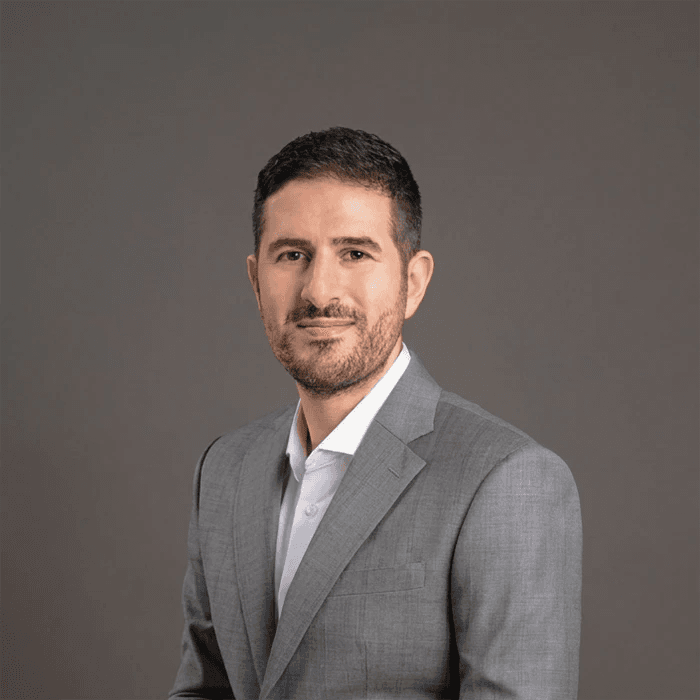
Leith Salem
Founder & Principal | 2010 Advisory
For twelve years I made the carrier decisions that aviation policy tries to anticipate. Capacity commitments, bilateral usage, route priorities at Qantas International. Corporate strategy at Virgin Australia from administration to IPO. The policy questions I work on with government clients are ones I have sat on the other side of. Send me one line about the decision in front of you and you will hear back the same day.